

The Allure of Gambling: Understanding the Attraction
The thrill of gambling is often rooted in the psychological attraction to risk and reward. For many, the casino environment is designed to heighten emotions and create an exhilarating atmosphere that encourages players to engage. From the bright lights to the sounds of rolling dice and spinning slots, these elements work together to stimulate the brain’s reward centers, making the idea of winning feel both exciting and attainable. In today’s world, the emergence of new online casinos is transforming the landscape of gambling, providing even more opportunities for players to experience this thrill.
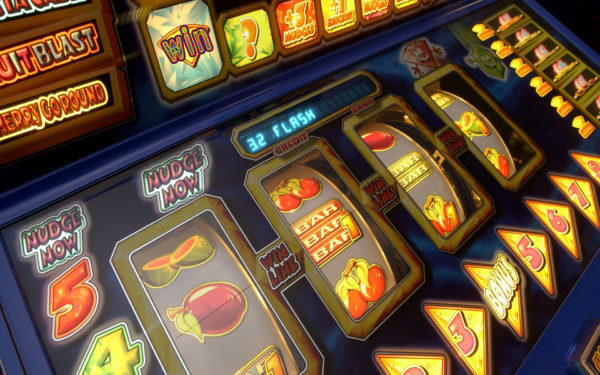
This attraction can be further explained by the phenomenon of loss aversion, where individuals are more motivated by the fear of losing than the potential to gain. This imbalance can lead players to make irrational decisions as they chase losses, resulting in a cycle of betting that can be difficult to break free from. Understanding this psychological dynamic is key to grasping why many people are drawn to casino games despite the inherent risks involved.
The Role of Cognitive Biases in Gambling
Cognitive biases significantly impact how gamblers perceive their chances of winning. One such bias is the gambler’s fallacy, where players believe that past events influence future outcomes, despite each game being independent. For instance, a person might think that after a series of losses on a slot machine, they are ‘due’ for a win, leading them to continue gambling under false pretenses.
Another critical bias is the overconfidence effect, where individuals overestimate their ability to predict outcomes. This can create a sense of invincibility and encourage further gambling, as players feel that their previous wins lend credibility to their strategies. Recognizing these cognitive biases is essential for anyone looking to improve their gambling strategies or simply understand their own behaviors more clearly.
Emotional Factors in Gambling Decisions
The emotional state of a gambler can heavily influence their choices and overall experience in a casino. Many players find that they gamble more when feeling stressed, anxious, or depressed, using gambling as a means to escape from reality. Conversely, those in a positive emotional state may gamble with less caution, driven by the excitement and joy of the moment.
Furthermore, the social aspects of gambling play a significant role in the emotional experience. The camaraderie among players at table games or the shared excitement during a slot spin can enhance one’s perception of winning. Understanding the emotional triggers that lead to increased gambling can help individuals maintain better control over their habits and recognize when they might be gambling for the wrong reasons.
The House Edge: A Psychological Perspective
The house edge is a fundamental concept in gambling, representing the statistical advantage that a casino has over players. Psychologically, this edge plays a crucial role in how players view their chances. Many gamblers may underestimate the house edge or believe they can overcome it through strategies or lucky streaks, which can lead to prolonged gambling sessions and larger losses.
The awareness of the house edge can also bring feelings of frustration or anger, particularly when players recognize that their chances of winning are less than they presumed. Understanding this aspect of gambling is vital for developing a realistic approach to casino games and fostering a more mindful gambling experience, reducing the likelihood of impulsive decisions driven by emotion rather than strategy.

Enhancing Your Gambling Experience: Responsible Play
Understanding the psychology behind winning at casinos is essential for promoting responsible gambling behavior. By being aware of cognitive biases, emotional triggers, and the realities of the house edge, players can make more informed decisions that align with their personal limits and gaming goals.
Ultimately, a focus on responsible gambling fosters a healthier relationship with gaming. This means setting limits, recognizing the signs of problematic gambling, and seeking help if necessary. By cultivating self-awareness and employing strategic thinking, individuals can navigate the exciting world of casinos while maintaining control over their gambling behaviors.